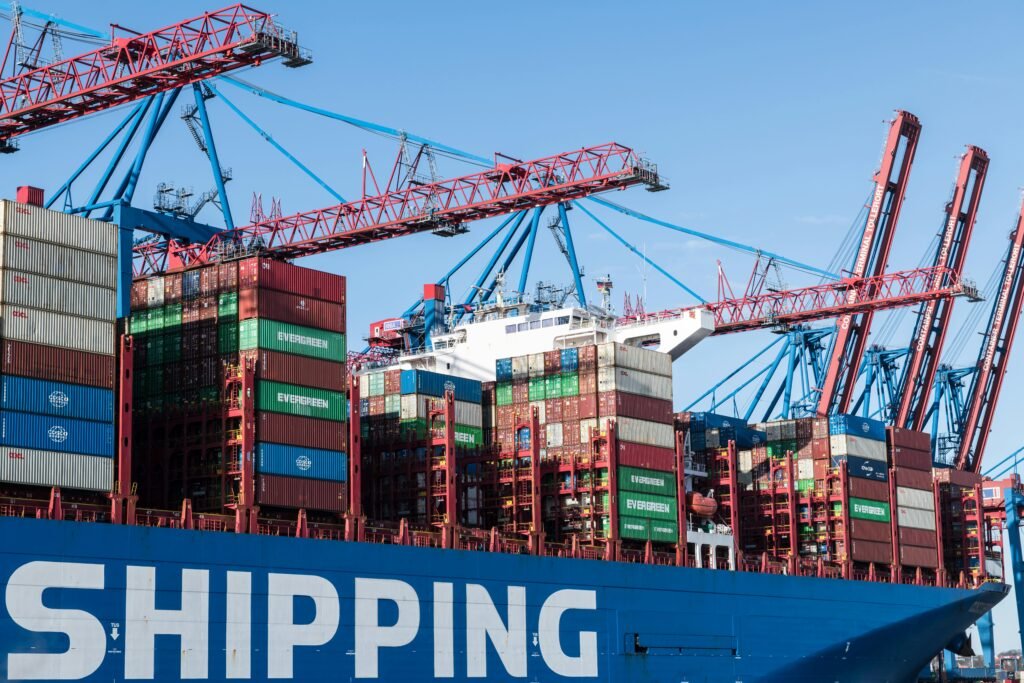
Fresh trade policy discussions in Washington and abroad are renewing concerns around tariffs, imported goods pricing, and supply chain costs. Several sectors are watching closely, including retail, manufacturing, auto parts, electronics, and construction materials. [Source] https://www.cnbc.com/
[Source] https://www.reuters.com/
For many small businesses, tariffs feel distant until prices rise.
But trade policy can affect:
- inventory costs
- shipping prices
- supplier contracts
- product margins
- customer pricing decisions
Businesses dependent on imported inputs may need to review vendor concentration immediately.
Smart Responses Right Now
Diversify Suppliers
Relying on one country or one vendor increases vulnerability.
Improve Margins Elsewhere
Packaging, upsells, subscriptions, and bundles can offset pressure.
Communicate Early
Customers accept price changes better when messaging is proactive.
Buy Time With Systems
Forecast inventory tighter and reduce waste.
Bigger Lesson
Macro policy often hits smaller firms hardest because they have less buffer.
The winners are usually the businesses that adapt before costs fully arrive.
Build a Stronger Business Model
Need smarter systems before the next market shift?
Visit: BABWJP.com
1-on-1 Executive Consulting: https://www.upwork.com/freelancers/~01a62c5a1a826893ce
Start your Pathway to $1 Million: https://pathwayto1million.org
Related posts:
- Why Most Small Business Brands Fail Before They Even Launch
- From Idea to LLC: The Complete 2025 Startup Roadmap | BABWJP
- Oracle Layoffs 2026: What the AI Cost-Cutting Wave Really Means for Your Career (and What to Do Next) | BABWJP
- Fortune 500 CEO Stats 2026: Why DEI Failed to Diversify the C-Suite — And What the Post-DEI Layoffs Reveal | BABWJP